Data Privacy & Your Online Business: What You Need to Know
.png)
In today’s online world, “data privacy” isn’t just some buzzword tossed around by tech bros; it’s survival. If you run an online business, you’re not only selling your stuff… you’re taking on the responsibility to babysit your customers’ personal information. And if you don’t protect it? Well, the lawyers, regulators, and maybe even some angry customers will come knocking.
The good news: you don’t need to be a cybersecurity ninja to get this right. Let’s break it down, plain-English style.
What is Data Privacy?

“Data privacy” basically means keeping the information your customers hand over (e.g., names, emails, credit card info, IP addresses, and so on) safe and not using it for sketchy purposes. Think of it like this: they gave you their trust (and their digits), so don’t be that business owner who leaves it lying around for anyone to grab.
Most countries have laws to make sure businesses don’t abuse this info. Translation: governments don’t want you selling email lists on the dark web or forgetting to lock the back door of your database.
Some things you should be doing:
- Use encryption and two-factor authentication (yes, those annoying codes matter).
- Limit who on your team actually has access to sensitive data.
- Train your people so they don’t accidentally leave customer info sitting in a Google Doc titled “Passwords.”
- Back everything up in case your system gets hacked, fried, or eaten by cyber-gremlins.
Can this seem overwhelming? Yep. But don’t panic—we’ll simplify as we go.
The Big 3 Laws You Can’t Ignore (with a 3 Step Checklist!)

While there are lots of data privacy laws that we could talk about, that would probably be overwhelming. There are three main data privacy laws that businesses like ours need to be aware of:the General Data Protection Regulation (GDPR), the California Online Privacy Protection Act (CalOPPA), and the Children’s Online Privacy Protection Act (COPPA).
GDPR covers anyone collecting personal information from EU residents. (And spoiler: that’s probably you if you have a website.)
CalOPPA requires you to post a privacy policy if you collect info from Californians. And since California is kinda big, assume this applies to you.
COPPA is a U.S. federal law protecting kids under 13. Specifically, it puts strict limits on businesses collecting personal information from those kids online. Unless your business is aimed at children, you mainly just need to make sure you’re not accidentally collecting info from them.
To ensure compliance with GDPR, CalOPPA, and COPPA, here’s a quick and easy 3-step checklist:
- Step 1: Have a clear privacy policy on your website outlining what type of data you collect from customers; why you collect it; how long you keep it; who has access to it; and how customers can request their data be deleted or amended if necessary.
- Step 2: Make sure all forms used for collecting customer data have disclosures and links to your policy and maybe even consent checkboxes before submitting any form fields containing sensitive information such as credit card numbers or home addresses.
- Step 3: Implement measures like encryption technology when transferring sensitive customer data between systems so only authorized personnel can view this information during transit over public networks like Wi-Fi hotspots or unsecured websites.
If #3 has your mind spinning, don’t worry. It isn’t too complicated. Here are some basic thoughts:
- Secure servers: Don’t let hackers stroll into your systems.
- Data encryption: Even if someone breaks in, the info is gibberish without the key.
- Two-factor authentication: Yes, it’s a pain. But it’s a pain that keeps you from becoming tomorrow’s headline.
Most platforms you use already offer these features; just make sure you actually turn them on. You can easily reach out to your tech stack providers for help with these steps.
Why a Privacy Policy Matters (and How Not to Screw It Up)
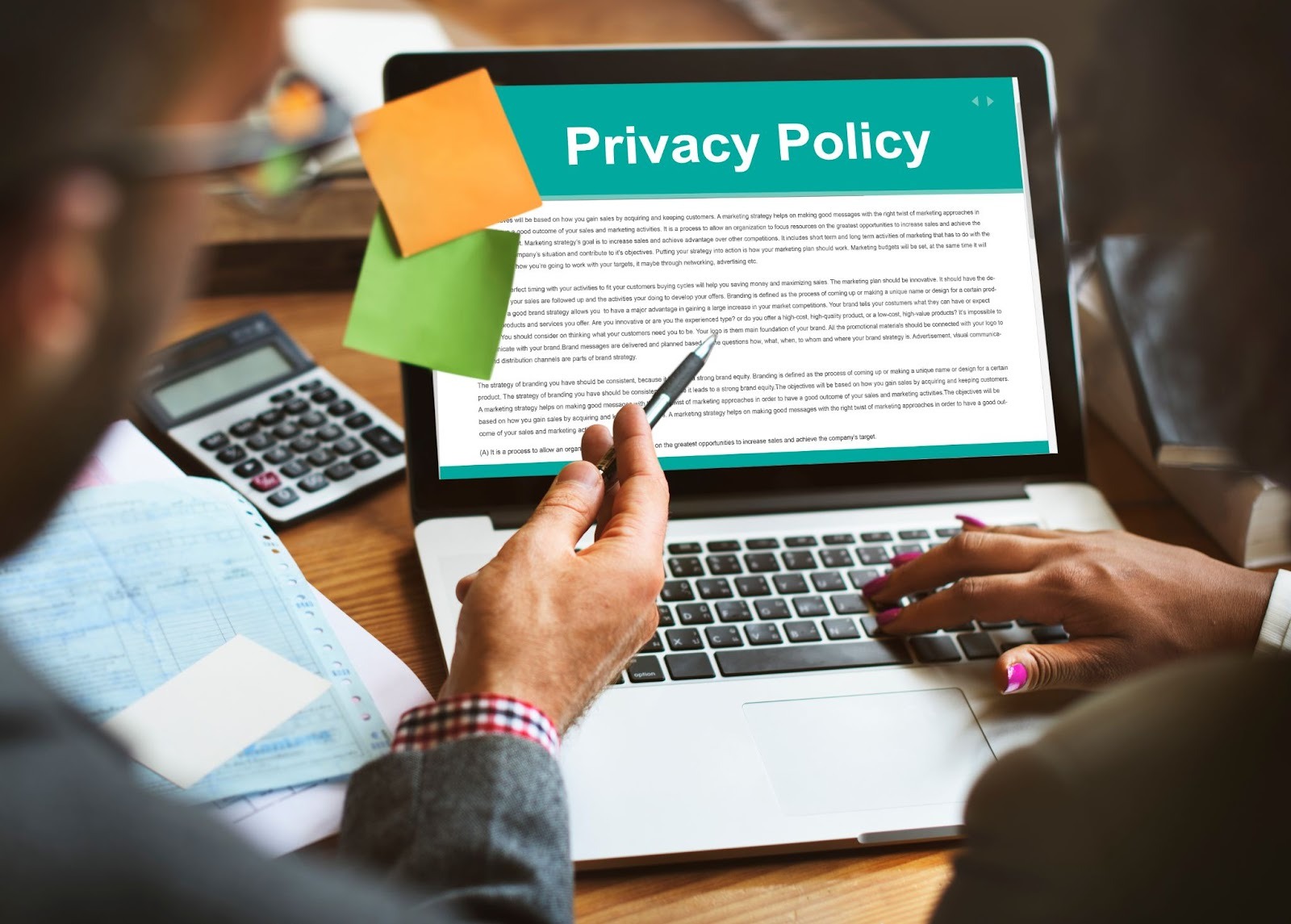
A privacy policy isn’t just some boring legal document; it’s a trust signal. It tells your customers: “We care about your info and aren’t going to sell it to the highest bidder.”
But here’s the kicker: if you’re missing one (or it’s garbage), you could be violating GDPR, CalOPPA, or COPPA without realizing it. That’s where Plainly Legal™ comes in. Our
Agreement Generator makes it stupid-simple to create a customized, legally compliant policy without spending thousands on a lawyer or gambling with some freebie template that doesn’t actually protect you.
With our tool, you can:
- Get a policy that’s up-to-date with current laws.
- Show customers you actually respect their data.
- Sleep easier knowing you’re not one privacy complaint away from panic mode.
Bottom line: protecting customer data isn’t optional. It’s part of being a grown-up business owner. Start with a strong privacy policy and layer on the best practices we’ve talked about.